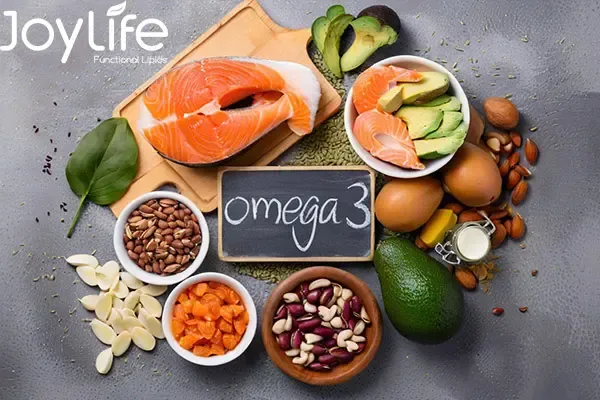
What kind of food enrich of Omega3? and what's their assay of omega3?
1.Introduction to Omega-3 Fatty Acids
Omega-3 fatty acids are essential polyunsaturated fats critical for heart health, brain function, and inflammation control. Since the body cannot produce them, they must be obtained through diet or supplements. There are three primary types:
-
EPA & DHA: Predominantly found in seafood, directly used by the body for cardiovascular and neurological health.
-
ALA: Plant-based Omega-3, converted by the body into EPA/DHA at low rates (typically <15%).
Health organizations recommend:
-
Daily intake: 250–500 mg EPA/DHA for adults.
-
ALA: 1.1–1.6 grams daily (women/men).
2.Top Omega-3 Food Sources: Assay & Key Facts
Below is a comparison of the richest dietary sources, categorized by type. Values represent total Omega-3 content per 100g:
Animal-Based Sources (EPA/DHA)
|
Food
|
Omega-3 (mg)
|
Key Nutrients & Notes
|
|
Mackerel
|
4,580
|
High in Vit B12 (500% RDI), selenium.
|
|
Salmon
|
2,150
|
Rich in Vit D, protein; lowers heart disease risk.
|
|
Cod Liver Oil
|
2,438
|
Concentrated EPA/DHA + Vit A/D; limit to 1 tbsp/day.
|
|
Herring
|
2,150
|
Excellent source of Vit D, selenium.
|
|
Sardines
|
1,463
|
High calcium (from bones), Vit B12.
|
|
Anchovies
|
2,053
|
Rich in niacin, selenium; often high in sodium.
|
|
Oysters
|
391
|
Highest zinc content of any food; best consumed raw.
|
|
Fish Roe
|
6,540
|
Luxury item; high in choline and B12
|
PS: Omega3 Raw material from " Marine source " from Joylife Nutripharma Inc
|
Type
|
Product
|
Assay
|
|
Oil Type
|
Refined Fish Oil EE, TG, RTG Type
|
Omega-3(DHA+EPA): 30%~98%
|
DHA Tuna Fish Oil
|
Omega-3(DHA): 20%,24%,28%
|
|
Krill Oil
|
Omega-3(DHA+EPA): 20%-30%
|
|
Powder Type
|
Fish Oil Powder
|
Omega-3(DHA+EPA): 12%,20%,30%
|
DHA Tuna Oil Powder
|
Omega-3(DHA): 7%,11%
|
Plant-Based Sources (ALA)
|
Food
|
Omega-3 (mg)
|
Key Nutrients & Notes
|
|
Flaxseed Oil
|
53,440
|
Highest ALA concentration; use unheated in dressings.
|
|
Chia Seeds
|
20,062
|
Rich in fiber (34g/100g), calcium, magnesium.
|
|
Flaxseeds
|
2,350
|
Best ground for absorption; high lignans (anti-cancer).
|
|
Walnuts
|
9,214
|
Antioxidants in skin; supports heart/brain health.
|
|
Hemp Seeds
|
2,610*
|
Complete protein; iron, zinc, Vit E.
|
|
Canola Oil
|
7,645
|
Neutral flavor; suitable for medium-heat cooking.
|
|
Soybeans
|
1,440
|
High plant protein; balance Omega-6 intake.
|
|
Brussels Sprouts
|
135
|
Also high in Vit C (81% DV) and Vit K.
|
* Value extrapolated from per-tablespoon data in below website:
cn.go-travels.com/10284913-7-best-plant-based-sources-of-omega-3-fatty-acids
PS: Omega3 Raw material from "Natural source " from Joylife Nutripharma Inc
|
Type
|
Product
|
Assay
|
|
Oil Type
|
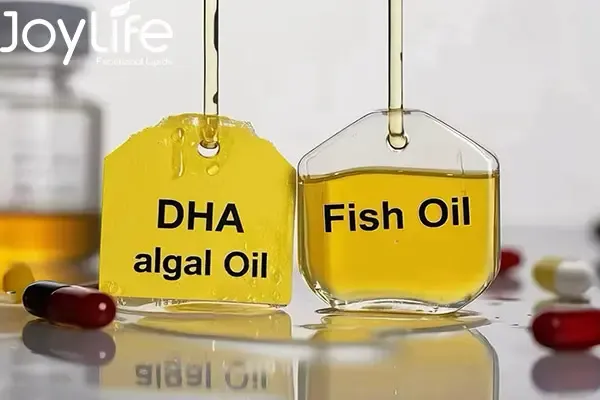
DHA Algae Oil
|
Omega-3(DHA): 40%.50%,60%,70%,80%
|
Flaxseed Oil
|
Omega-3(ALA, α-linoleic acid): 50%~65%
|
|
Perilla seed Oil
|
Omega-3(ALA, α-linoleic acid): 60%~65%
|
|
Powder Type
|
DHA Algae Oil Powder
|
Omega-3(DHA): 10%,20%
|
Flaxseed Oil Powder
|
Omega-3(ALA, α-linoleic acid): 25%
|
3.Practical Tips for Maximizing Omega-3 Intake
1) Prioritize Direct EPA/DHA Sources: Aim for 2 servings of fatty fish weekly (e.g., salmon, mackerel) to meet EPA/DHA needs.
2)Optimize Plant-Based ALA:
Combine ground flaxseeds/chia with Vit C-rich foods (e.g., berries) to enhance ALA conversion.
3) Use algae oil (200–300 mg DHA/tbsp) for a vegan EPA/DHA source.
4) Avoid Nutrient Loss:
Cook fish via steaming or baking; frying degrades Omega-3.
5) Store nuts/seeds in the dark to prevent oxidation.
6)Special Diets:
Vegetarians: Focus on chia, flax, walnuts, and algae supplements.
Low-Mercury Options: Choose sardines, anchovies, or salmon for children/pregnancy.
⚠ Caution: Cod liver oil excess may cause Vitamin A toxicity. Limit to 1 tbsp daily.
4.Conclusion
Both animal and plant foods offer potent Omega-3 benefits. While seafood provides direct EPA/DHA, plant sources like flaxseed oil or chia seeds deliver exceptional ALA density. Incorporate a mix of these foods to support heart, brain, and overall health. For personalized needs (e.g., pregnancy, heart conditions), consult a nutritionist to tailor intake.



 Language
 Oils & Fat Powder
 Vitamins
 Amino Acids
 Minerals
 Herbal Extracts
 Protein & Peptide
 Excipients
 Others
 Brain Health
 Bone & Joint Health
 Skin and aging health
 Eye Health
 Heart & blood Health
 Digestive support
 Immune Enhancer
 Weight Management





 English
 Español
 한국어
한국어 اللغة العربية